Colliers Wood High Street cleaning guide for flats and shops
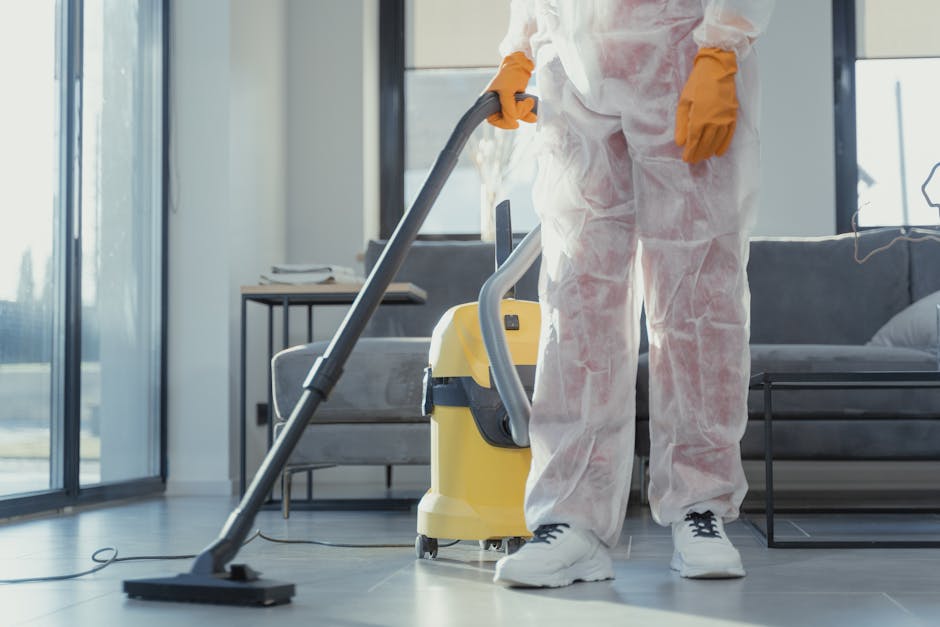
If you live, work, or trade on Colliers Wood High Street, you already know the rhythm: a busy stretch, a steady stream of foot traffic, and homes and shopfronts that pick up dirt faster than you planned. This Colliers Wood High Street cleaning guide for flats and shops is designed to help you deal with exactly that. Whether you are keeping a flat presentable for everyday life or making a shop look tidy before the doors open, the job is part routine, part judgement, and a little bit of local know-how.
The challenge is simple enough, really. Flats need safe, practical cleaning that fits around neighbours, bins, shared hallways, and busy schedules. Shops need clean floors, windows, counters, and customer-facing spaces that look fresh without disrupting trading hours. In both cases, the details matter. Miss the small stuff and the whole place can feel off. Get it right and the space feels calmer, brighter, and easier to live or work in.
This guide walks through the process step by step, from planning and priorities to equipment, compliance, and common mistakes. You will also find a realistic checklist and a few useful comparisons so you can decide what to do yourself and what is better left to a professional cleaning company.
- Why it matters
- How it works
- Key benefits
- Who needs this
- Step-by-step guidance
- Expert tips
- Common mistakes
- Tools and resources
- Law, compliance, and best practice
- Options and comparison
- Real-world example
- Practical checklist
- Conclusion
- Frequently asked questions
Why Colliers Wood High Street cleaning guide for flats and shops Matters
High streets bring convenience, but they also bring grime. Mud gets tracked in after rain. Deliveries leave packaging dust. Shop windows collect fingerprints. Flats above or near retail units often pick up smells, noise, and a surprising amount of fine dust from nearby movement and traffic. If you have ever wiped a sill in the morning and found it grey again by evening, you will know the feeling.
For flats, regular cleaning helps protect the living space from becoming cluttered, stale, or difficult to maintain. Shared entrances, stairwells, and bin areas can quickly become the weak point. For shops, the standard is different. Customers notice the floor first, then the glass, then surfaces around the till or display areas. A shop can sell good products and still feel untrustworthy if the place looks neglected. Harsh, but true.
Cleaning matters here because the environment is active. Colliers Wood High Street has the kind of everyday movement that creates small jobs all day long: dust at the threshold, scuffs near the entrance, smears on handles, crumbs under shelving, and the classic mystery marks that appear on glass overnight. None of this means the place is unmanageable. It just means cleaning needs to be planned, not improvised.
A good cleaning routine also supports landlord expectations, lease obligations, staff wellbeing, and customer confidence. In flats, that may mean keeping the place hygienic and comfortable. In shops, it may mean keeping the premises presentable before opening and after closing. Same street, different priorities.
How Colliers Wood High Street cleaning guide for flats and shops Works
The easiest way to think about it is to split cleaning into zones and frequencies. A flat is usually cleaned by room and by touchpoint. A shop is cleaned by public-facing area, stock area, and back-of-house space. Once you separate those zones, the work becomes much easier to manage.
For example, a small flat above a shop might need:
- daily wipe-downs of kitchen counters and bathroom fixtures;
- weekly vacuuming and floor care;
- monthly deep cleaning of skirting, appliances, and hidden corners.
A shop on the high street might need:
- opening clean of floors, entrance glass, and counters;
- through-the-day tidy ups for spillages and fingerprints;
- closing clean for bins, sinks, break areas, and customer touchpoints.
That structure sounds basic, but it stops a lot of waste. Rather than cleaning everything badly once, you focus on the right task at the right time. That is often the difference between a space that looks "sort of clean" and one that genuinely feels fresh.
Professional cleaning usually follows a similar logic. A cleaner starts at the top of the room, works down, and finishes with floors. High-touch areas come first in retail spaces. In flats, kitchens and bathrooms often take longer because grease, limescale, and damp build up quietly in the background. Nobody notices until they do. Then suddenly it is all anyone can see.
Key Benefits and Practical Advantages
Good cleaning does more than improve appearance. On a busy high street, it can directly affect comfort, reputation, and maintenance costs. That is especially relevant where flats and shops sit close together and share the same dust, footfall, and daily wear.
For flats, the main benefits are:
- a healthier, more pleasant living environment;
- less build-up of grime in bathrooms, kitchens, and entry areas;
- better control of odours, especially in compact spaces;
- reduced wear on carpets, flooring, and upholstery;
- less stress when guests, landlords, or contractors need access.
For shops, the practical advantages include:
- a better first impression for customers;
- safer floors and clearer walkways;
- easier stock handling in neat, uncluttered spaces;
- less visible dust on shelves, displays, and skirting;
- faster close-down and opening routines.
There is also a softer benefit that people often skip over: a clean environment makes people behave differently. Staff move more carefully. Residents relax. Customers stay a little longer. It sounds small, but it changes the feel of the place. If you have ever walked into a spotless shop on a wet London morning, you know exactly what I mean.
For landlords and leaseholders, regular cleaning also helps reduce avoidable damage. Grit on hard floors acts like sandpaper. Grease left on kitchen surfaces gets harder to remove. Damp corners can become more stubborn if ignored. Routine care is usually cheaper than rescue work, which is why many people pair recurring visits with deep cleaning when a property needs a proper reset.
Who This Is For and When It Makes Sense
This guide is for anyone responsible for cleaning or maintaining a flat or shop near Colliers Wood High Street. That includes private tenants, homeowners, landlords, shop owners, managers, and agents. It also suits people who are between regular cleans and need a one-off intervention before a deadline. Truth be told, that is a very common position to be in.
It makes sense if you are dealing with any of the following:
- move-in or move-out preparation;
- post-refurbishment dust;
- seasonal cleaning before a busier period;
- high footfall in a shop entrance;
- shared building areas that never seem to stay clean;
- stubborn marks on floors, fixtures, or windows;
- a flat or shop that needs to look good fast.
Some people only need occasional help, and that is fine. Others need a scheduled service because the space gets dirty too quickly for ad hoc cleaning to keep up. If you are juggling trading hours, deliveries, family life, or both, it may be easier to use a regular one-off cleaning visit as a reset and then maintain the space yourself afterwards.
Shops with glass fronts, food handling, or heavy customer traffic usually need a more disciplined routine. Flats with pets, young children, or shared entrances often do too. Different premises, same outcome: if you let it drift, it becomes more annoying than it should be. And a bit more expensive, usually.
Step-by-Step Guidance
Below is a practical approach that works well for most flats and small shops. It is not fancy. That is the point.
-
Walk the space first.
Before picking up a cloth, look at the property like a visitor would. What do you notice first? Floors, glass, smells, clutter, fingerprints? That tells you where to begin. In a shop, start with the customer-facing areas. In a flat, start with the kitchen, bathroom, or entrance if they are the main problem zones.
-
Remove loose debris.
Pick up rubbish, packaging, and surface clutter before cleaning. Vacuum crumbs and grit rather than spreading them around. On high-street floors, this step matters more than people think. Dirt is easier to trap than to move cleanly later on.
-
Work from top to bottom.
Dust high shelves, frames, ledges, and light fittings before wiping lower surfaces. That way you are not putting dust onto already cleaned areas. It sounds obvious, but everyone forgets it now and then.
-
Tackle the wet areas carefully.
Bathrooms, kitchen sinks, and prep areas need proper attention. Use products that suit the surface, not whatever happens to be under the sink. Stainless steel, sealed wood, laminate, tile, and stone all behave differently. The wrong product can leave a dull film or damage the finish.
-
Deal with floors last.
Vacuum or sweep first, then mop or machine-clean if needed. For hard floors, avoid soaking joints and edges. If the floor is textured or worn, a more considered method is better than simply adding more water. For that kind of care, hard floor cleaning is often the right specialist approach.
-
Finish with touchpoints and glass.
Handles, switches, rails, door push plates, and windows are the details people actually see. In shops, they are the difference between "done" and "polished." In flats, they make the whole place feel calmer and more intentional.
-
Review and reset.
Take one last walk-through. Missed corners, streaks, and bin areas are easy to catch at the end. If the room smells clean but still looks tired, the issue is usually detail work rather than deep dirt.
For a residential property, you may also need targeted care for soft furnishings, carpet edges, or windows. A sensible combination might include domestic cleaning for routine upkeep, plus specific help where the flat has developed a stubborn problem. Shops often benefit from pairing floors with window cleaning so the frontage looks sharp as well as hygienic.
Expert Tips for Better Results
These are the little things that tend to separate a decent clean from a proper one.
- Use two passes for problem areas. First loosen dirt, then remove it. Trying to do both at once often leaves a haze behind.
- Let products dwell briefly where safe. Grease and soap residue usually need a moment to soften. Not forever. Just long enough to do some work for you.
- Keep microfibre cloths separate. Use one for glass, one for bathrooms, one for general dusting. Cross-use is how streaks and smells spread around.
- Protect edges and finishes. High-street buildings often have older trim, awkward corners, and mixed materials. Be gentle where plaster, paint, or seals are already tired.
- Schedule around footfall. Early morning or after closing tends to work best for shops. Flats are easier when everyone knows the timing, otherwise you end up cleaning around people and that gets frustrating quickly.
- Don't ignore air flow. Open windows where appropriate, especially after bathroom or kitchen cleaning. Damp air can make a room feel cleaner than it is, which is a bit sneaky.
One small but useful habit: keep a separate kit for quick touch-ups. A cloth, neutral spray, gloves, bin liners, and a small vacuum can save a lot of faffing around. Not glamorous. Very effective.
If a space keeps getting messy in the same place, ask why. Is it a mat that is too small? A bin that is badly positioned? A delivery route that drags dirt across the entrance? Cleaning is not just wiping; it is also noticing patterns.
Common Mistakes to Avoid
Most cleaning problems on a high street come from repetition, rushing, or using the wrong approach for the surface. A few mistakes show up again and again.
- Cleaning in the wrong order. If you mop first and dust later, you create extra work for yourself. Simple, but common.
- Using too much product. More cleaner does not equal better results. It often leaves residue, especially on glass and shiny floors.
- Ignoring touchpoints. Shops in particular can look clean but still feel grubby because handles, counters, and payment areas were missed.
- Over-wetting floors. This can leave slip risk, staining, or slow drying times. Bad combination in a shop, and not much better in a flat.
- Forgetting hidden edges. The bits behind doors, under radiators, and along skirting are often where dirt quietly gathers.
- Trying to clean everything with the same method. Carpets, vinyl, stone, upholstery, and glass all need different care. One method fits all is usually how damage starts.
Another mistake is leaving the entrance until last. On a high street, the entrance tells people almost everything they need to know. If the mat is dirty and the glass is smeared, the rest of the job has to work much harder. First impressions are rude like that.
For flats, a common issue is cleaning only the visible surfaces and forgetting the places that affect hygiene most: bin cupboard, kitchen extractor area, bathroom corners, behind the toilet, and under appliances. If those zones are left alone, the property never quite feels properly clean, even when it looks fine at first glance.
Tools, Resources and Recommendations
You do not need a giant kit, but you do need the right basics. A cluttered cleaning trolley is often a sign that the routine has got too complicated.
| Task | Useful tools | Best practice note |
|---|---|---|
| General dusting | Microfibre cloths, extendable duster | Use clean cloths to avoid spreading dust back onto surfaces. |
| Floors | Vacuum, broom, mop, neutral floor cleaner | Choose the method based on floor type and drying time. |
| Glass and mirrors | Glass cloth, streak-free cleaner, squeegee | Work in sections and finish with dry buffing. |
| Kitchen and prep areas | Degreaser, sponge, non-abrasive pad | Avoid harsh abrasives on glossy or coated surfaces. |
| Upholstery and soft seating | Vacuum with upholstery attachment, fabric-safe cleaner | Test a hidden spot first, always. |
| Deep refresh | Steam or specialist cleaning equipment | Use when routine cleaning no longer restores the finish properly. |
For properties with mixed flooring or older fittings, it can be worth using specialist services rather than forcing a general method onto every surface. That is especially true if the flat has stubborn carpet marks, a tired sofa, or a shop floor that has lost its shine. In those cases, services like carpet cleaning or sofa cleaning can do more than a domestic wipe-down ever will.
If the space has been affected by dust, renovation debris, or a messy turnover, the situation may call for after builders cleaning. That kind of job is more exacting than standard weekly cleaning because fine dust gets into places you do not expect. It is a bit sneaky, honestly.
For shops with persistent dust on displays or backroom surfaces, pairing routine cleaning with occasional office cleaning style maintenance can be sensible if the layout includes desks, admin areas, or customer service counters. Not everything on a high street is a classic retail floor plan.
Law, Compliance, Standards, or Best Practice
Cleaning on a busy high street is not only about appearance. It also touches safety, hygiene, access, and general duty of care. Without getting too legal about it, it is wise to follow recognised UK cleaning and workplace best practice where relevant.
For shops, that usually means keeping walkways clear, controlling slip risk, handling cleaning chemicals safely, and avoiding disruption to staff or customers. If a wet floor is present, it should be managed properly and not left as an afterthought. Surfaces that can become slippery need attention, especially near entrances where rain gets carried inside.
For flats, the same basic principles apply in a more residential way. Shared corridors, stairs, and entrances should not be blocked. Products should be stored safely. If cleaners are working in a block, communication matters because residents do not enjoy surprise equipment in the hall. Fair enough.
It is also sensible to look at insurance and safety arrangements before letting anyone work in a mixed-use building or shop unit. A reputable provider should be clear about safe working methods, liability cover where applicable, and how they manage access, keys, alarms, or out-of-hours work. If you want to understand the company's approach to risk and protection, their insurance and safety information and health and safety policy are worth reviewing.
When waste is involved, sensible sorting and disposal practices matter too. Empty packaging, food residue, and general rubbish should be removed responsibly. If sustainability is part of your decision-making, recycling and sustainability practices can help reduce unnecessary waste during regular cleans.
Finally, if you are booking a professional service, it is perfectly normal to check how pricing works, what is included, and what happens if plans change. A clear agreement protects both sides and avoids awkward surprises later on. Nobody enjoys those.
Options, Methods, or Comparison Table
Not every flat or shop needs the same level of service. Sometimes a lighter routine is enough. Sometimes it is absolutely not. Here is a simple comparison to help you choose.
| Approach | Best for | Strengths | Limitations |
|---|---|---|---|
| DIY routine cleaning | Low to moderate daily dirt | Low cost, flexible, easy to maintain | Can miss detail areas and deeper build-up |
| Scheduled professional cleaning | Busy flats and customer-facing shops | Consistent standards, time-saving, good for routine upkeep | Requires planning and budget |
| One-off deep reset | Move-ins, move-outs, seasonal catch-up, neglected spaces | Fast way to restore presentation | Does not maintain cleanliness on its own |
| Specialist treatment | Carpets, upholstery, ovens, hard floors, post-build dust | Targets problem materials and stubborn dirt | Only useful where the issue matches the service |
If a flat has carpets that have started to hold smells or traffic marks, specialist carpets cleaner support may be more useful than general vacuuming alone. If a shop has a greasy kitchen or staff area, oven cleaning can also be relevant, especially where food prep leaves residue behind the scenes.
And if you are dealing with seating areas, waiting chairs, or display-room soft furnishings, upholstery care matters because fabric traps odour and dust in a way hard surfaces simply do not. A clean room with a tired sofa still looks a bit unfinished. You can tell, even if you cannot quite explain why.
Case Study or Real-World Example
Imagine a small mixed-use property near Colliers Wood High Street: a one-bedroom flat upstairs and a compact boutique below. The resident has been noticing fine dust on the windowsill every few days, while the shop owner keeps seeing fingerprints on the front glass and tracked-in grit by the entrance. Nothing dramatic. Just enough to make both spaces feel harder to maintain than they should.
The fix starts with separating the problems. For the flat, the routine focuses on the kitchen, bathroom, hallway, and the inside of the windows. The aim is to remove dust before it travels and to keep humidity, crumbs, and bathroom residue under control. For the shop, the schedule adds a morning wipe of the glass, a floor check after busy periods, and a closing routine for the till counter, handles, and entrance mat.
After a deeper clean, both spaces feel different. The shop front looks brighter from the pavement. The flat smells fresher and feels less "stuck." The owner notices that staff stop apologising for the state of the entrance, which is one of those tiny emotional wins that actually matters more than it sounds. The space starts working with them again instead of against them.
In situations like this, the most useful change is rarely one big dramatic move. It is a better routine, a few targeted products, and the discipline to keep returning to the same pressure points. Boring? Maybe. Effective? Very.
Practical Checklist
Use this checklist before or after a flat or shop clean on Colliers Wood High Street.
- Clear clutter, rubbish, and loose items from all work areas.
- Check the entrance first, because that is where dirt usually enters.
- Dust high points before wiping lower surfaces.
- Clean kitchens, bathrooms, or prep areas with appropriate products.
- Sanitise high-touch points such as handles, switches, rails, and counters.
- Vacuum or sweep thoroughly before wet-cleaning floors.
- Use floor-safe methods and avoid over-wetting.
- Clean glass, mirrors, and shopfront windows without leaving streaks.
- Deal with any odours at the source rather than masking them.
- Review corners, skirting, mats, and hidden edges before finishing.
- Open windows or ventilate where appropriate so the space dries properly.
- Restock supplies for next time, because future-you will thank you.
Expert summary: The best cleaning routine for a Colliers Wood High Street flat or shop is the one that matches the way the space is actually used. High traffic needs touchpoint care. Shared living needs hygiene and consistency. Mixed-use properties need both. Keep the routine simple, then keep doing it. That is the trick.
Get a free quote today and see how much you can save.
Conclusion
A proper Colliers Wood High Street cleaning guide for flats and shops is less about perfection and more about control. When you understand where dirt comes from, which surfaces need the most attention, and how to work in a sensible order, the whole place becomes easier to manage. That is true whether you are living upstairs, running a small business, or looking after both.
For some people, a steady routine will be enough. For others, the best move is a more targeted clean, a specialist treatment, or a recurring arrangement that takes pressure off a busy week. There is no prize for doing everything the hard way. Not really.
What matters is that the space feels cared for. Clean enough to breathe in. Clean enough to welcome people. Clean enough that you do not keep noticing the same dusty corner every morning. And once that settles in, the street feels a little easier too.
Frequently Asked Questions
How often should a flat on Colliers Wood High Street be cleaned?
Most flats do best with a light clean every few days and a more thorough clean weekly. If you have pets, shared access, or a very small layout, you may need to tidy touchpoints more often.
How often should a shop on Colliers Wood High Street be cleaned?
Shops usually need daily attention, especially at the entrance, counters, glass, and floors. Busy customer-facing spaces often need opening and closing routines, with deeper work scheduled less frequently.
What is the difference between regular cleaning and deep cleaning?
Regular cleaning keeps a place presentable and hygienic. Deep cleaning goes after build-up in hidden or stubborn areas such as skirting, grout, appliance edges, behind furniture, and other places that are easy to overlook.
Which areas should be prioritised first in a flat?
The kitchen, bathroom, hallway, and any entrance area usually deserve the most attention. These zones collect the most visible dirt and affect how the entire flat feels.
Which areas should be prioritised first in a shop?
Start with the customer-facing areas: entrance, flooring, glass, counters, and touchpoints. If those look clean, the shop immediately feels more professional, even before everything else is finished.
Can one cleaning method work for both flats and shops?
Not usually. The basic principles are similar, but flats need more residential care and shops need stronger attention to presentation, footfall, and safety around public areas.
Do hard floors on a high street need special care?
Yes, because grit and moisture are common. Hard floors benefit from the right cleaner, careful drying, and not too much water. If the finish is worn or sensitive, specialist treatment is often safer.
Is it worth booking a one-off clean before moving into a flat?
Absolutely, especially if the property has had previous occupants, storage, or a period of emptiness. A reset clean can make the place feel far more settled from day one.
What should I check before hiring a cleaning provider?
Look at what is included, how access is managed, whether the team has clear safety practices, and how pricing is explained. It also helps to understand their policies, insurance approach, and communication style.
How can I keep a shopfront looking clean for longer?
Use entrance mats, wipe glass regularly, clear spillages quickly, and keep high-touch points on a short cleaning cycle. Small prevention habits save a surprising amount of work later.
What if my flat or shop has carpets, sofas, or upholstered seating?
Soft furnishings usually need more than a standard wipe-down. Depending on the issue, targeted support such as carpet or upholstery treatment can help remove trapped dirt, marks, and odours more effectively.
When is specialist help better than DIY cleaning?
Specialist help makes sense when the dirt is embedded, the surface is delicate, the property has just been renovated, or you simply do not have the time to do it properly. Sometimes paying for the right method is the practical choice, and that is fine.