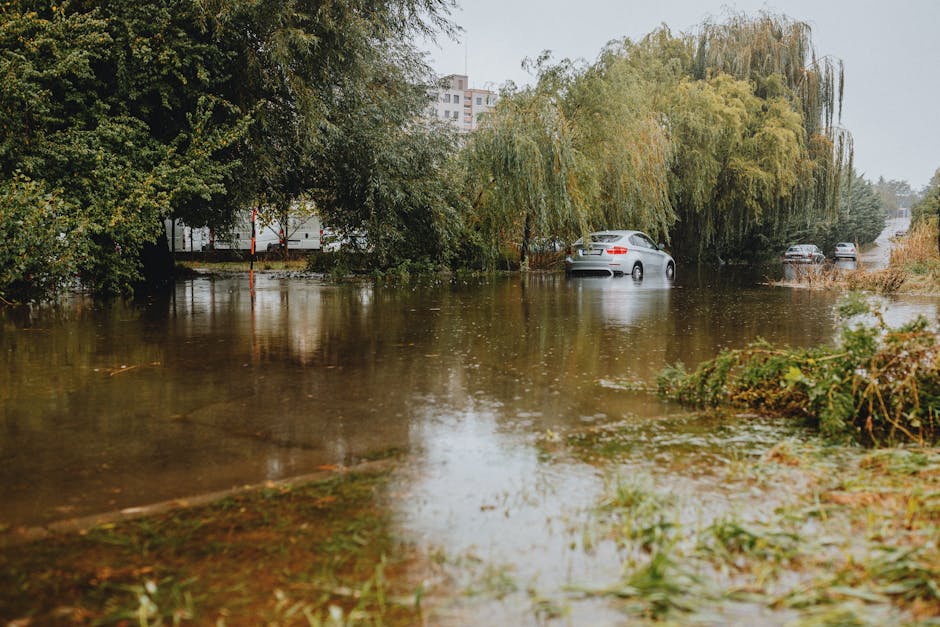
Emergency flood cleaning in Colliers Wood what to expect

If water has found its way into your home or business, the first few minutes can feel messy, loud, and a bit unreal. That damp smell, the squelch underfoot, the sudden panic about what's ruined and what can still be saved - yes, it's a lot. This guide on Emergency flood cleaning in Colliers Wood what to expect walks you through the process in plain English, so you know what happens next and how to make sensible decisions without the stress spiralling.
Whether the water came from a burst pipe, a blocked appliance, heavy rain, or a leak that turned into a bigger problem overnight, the cleaning response is usually more than just mopping up. It often involves safety checks, extraction, drying, deodorising, and careful handling of materials that may be contaminated. Let's break it down properly.
Why emergency flood cleaning matters
Water damage is one of those things that can look manageable at first and then turn awkward very quickly. A bit of water on a floor is one thing; moisture trapped under skirting boards, inside carpets, or behind plaster is another. In Colliers Wood, where properties range from flats near transport links to older terraces and mixed-use buildings, flood water can spread in ways you do not immediately see.
That is why emergency flood cleaning matters. It is not just about appearance. It is about limiting secondary damage, reducing the chance of mould, protecting fixtures, and helping a space become usable again as soon as possible. If you delay, the clean-up often gets more expensive and more disruptive. Truth be told, the hidden damage is usually where the real headache begins.
There is also a safety side to this. Flood water can make floors slippery, damage electrics, and carry contamination depending on the source. Even clean-looking water from a pipe can soak into insulation, furniture, and flooring. The practical goal is simple: stop the damage spreading, dry the affected area properly, and restore a safe environment without cutting corners.
Key takeaway: In an emergency flood, speed matters, but so does method. A rushed clean-up that ignores moisture behind the scenes can leave you with mould, lingering odours, warped materials, and a bigger repair job later.
For local households and landlords, this is particularly relevant after overnight leaks or weekend incidents, when the problem may sit for hours before anyone notices. That morning-after moment is never pleasant, but a structured response makes a huge difference.
How emergency flood cleaning works
The exact process depends on the amount of water, where it came from, and what materials were affected. Still, a proper emergency response usually follows a fairly clear pattern. You will usually notice that professionals focus first on safety, then extraction, then drying, then cleaning and checks. Not glamorous, but effective.
1. Initial assessment
The first step is to assess the scene. This includes identifying the water source, the extent of the spread, the type of surfaces affected, and whether there are electrical or structural risks. Clean water from a supply pipe is treated differently from wastewater or floodwater from external sources. That distinction matters quite a bit.
2. Safety isolation
If needed, the next step is to isolate affected power areas, avoid contact with contaminated water, and prevent people from walking through the space. In some cases, furniture is moved to stop further staining or swelling. The aim here is to reduce risk before any serious cleaning starts.
3. Water extraction
Standing water is removed using pumps, wet vacuums, or other extraction tools. The method depends on the volume and location. A small kitchen leak is one thing; a soaked hallway after a pipe failure is another. The faster this happens, the better the chance of saving flooring and preventing moisture from creeping into walls.
4. Drying and dehumidification
This is the part people often underestimate. Just because the surface looks dry does not mean the job is done. Dehumidifiers and air movers are commonly used to remove moisture from carpets, subfloors, plaster, and timber. In a flat, this can take several days. In an older property, sometimes longer. It depends. No magic wand here.
5. Cleaning and disinfection
Once excess moisture is under control, affected areas are cleaned and disinfected as needed. The cleaning approach depends on the source of the water and the materials involved. Soft furnishings, hard flooring, and exposed surfaces may all need different treatment. If odours or contamination are present, extra cleaning stages may be required.
6. Final inspection and next steps
The last stage is checking that the area is dry enough and safe to use. In many cases, the team will also advise on repairs, replacement of damaged materials, or follow-up work such as carpet cleaning, stain removal, or restoration. That final check is easy to miss, but it matters.
If you are comparing responses, it helps to look for a provider that can also handle related cleaning work where needed, such as deep cleaning or specialist floor care after the water is gone. That way, you are not left coordinating five different people for one messy situation.
Key benefits and practical advantages
The biggest benefit of emergency flood cleaning is obvious: it helps stop the damage from getting worse. But the practical advantages go beyond that. A good response can save money, reduce disruption, and make the whole recovery process feel less chaotic.
- Faster drying: Proper extraction and dehumidification shorten the time your property stays damp.
- Lower mould risk: Moisture that lingers in carpets, plaster, or timber creates ideal conditions for mould growth.
- Better salvage rates: The sooner items are treated, the more chance there is of saving them.
- Less structural damage: Floors, walls, and underlay are less likely to swell or distort when treated promptly.
- Improved hygiene: Flood-affected spaces can be cleaned and sanitised more safely and thoroughly.
- Clearer decisions: A proper inspection helps you know what can be recovered and what needs replacing.
There is also a practical peace-of-mind benefit. When a property is wet, the uncertainty can be exhausting. Is the floor ruined? Will the smell go? Is it safe to sleep there tonight? A structured clean-up gives you answers, which is half the battle sometimes.
For landlords, letting agents, and business owners in particular, speed can reduce downtime. A shop, office, or rental flat left untreated for too long can lose usability fast. If you manage shared or commercial spaces, it is worth thinking about related services too, such as commercial cleaning or office cleaning once the immediate flood response has done its job.
Who this is for and when it makes sense
Emergency flood cleaning is not only for dramatic, whole-room floods. In fact, many jobs are smaller than people expect. A slow leak under a sink can soak cabinetry. A washing machine overflow can spread across a hallway. A bathroom issue can run under vinyl and into the subfloor before you spot it.
This service makes sense for:
- Homeowners dealing with burst pipes, leaks, or appliance overflows
- Tenants who need to act quickly and document damage properly
- Landlords and letting agents managing urgent property issues
- Business owners protecting stock, flooring, and footfall areas
- Residents in flats or shared buildings where water can move between units
It also makes sense if the water has soaked into something porous: carpet, upholstery, underlay, timber, plasterboard, or soft furnishings. In those situations, a surface wipe is nowhere near enough. You may think the room looks alright by evening, then the smell shows up the next day. That is a classic one.
Not every leak needs the full emergency treatment, to be fair. A tiny amount of clean water on a tiled floor may only need a prompt wipe-down and monitoring. But if there is standing water, spread into walls, a suspicious odour, or any chance of contaminated water, it is wise to treat it as urgent.
And if the incident has left furniture, curtains, or soft furnishings damp, related services such as curtain cleaning or upholstery cleaning may become part of the recovery plan later on.
Step-by-step guidance
If you are dealing with a flood right now, having a sequence helps. It keeps the panic from taking over. Here is a practical way to think about the process from start to finish.
- Make the area safe. Avoid stepping into deep or dirty water. If electrics may be affected, do not take risks. Switch off power only if it is safe to do so.
- Stop the source. Turn off the water supply if you can identify the cause and do it safely. If the issue is from outside your control, contain what you can.
- Move valuable or sensitive items. Remove rugs, electronics, documents, and lightweight furniture from the wet area if it can be done without spreading water.
- Photograph the damage. This helps with insurance and gives a clearer record before cleaning begins. A few quick photos now save awkward conversations later.
- Call for urgent support. Choose a cleaning team that understands emergency water damage, not just routine housekeeping.
- Start extraction quickly. The longer water sits, the more it works its way into hidden materials.
- Dry the area properly. Dehumidifiers and air movement are usually needed. Opening a window alone is rarely enough in London weather, especially when the air feels damp already.
- Clean affected surfaces. Use suitable products for the material and contamination level. Different surfaces need different treatment, simple as that.
- Monitor moisture. Check whether floors, walls, and underlayers are genuinely dry, not just visually dry.
- Arrange follow-up repairs if needed. Some items may need replacement after drying, particularly if swelling, staining, or mould risk remains.
A useful tip: keep a small note of what happened, when you noticed it, and what was affected. That tiny record can make the next steps calmer and more organised. In the middle of the mess, memory gets fuzzy. Happens all the time.
Expert tips for better results
Good flood recovery is often about the small decisions. The obvious part is mopping up. The less obvious part is knowing what to leave alone, what to dry gently, and what not to make worse by overhandling it.
1. Act early, but do not rush blindly. There is a difference between urgency and panic. Speed helps, but only if the response is controlled.
2. Keep the air moving. Once extraction begins, airflow becomes important. Dehumidifiers and movers are much more effective than opening every window and hoping for the best.
3. Lift rugs and small textiles quickly. These can trap moisture against floors. If they are left in place, you can end up with staining or odour that lingers for weeks.
4. Watch for hidden moisture. Baseboards, underlay, cupboard corners, and wall edges are classic trouble spots. If they still feel cool or spongy, they are probably not dry enough yet.
5. Treat smell as a warning sign. A musty smell often means moisture is still present somewhere. Do not ignore it just because the room looks dry.
6. Protect nearby clean areas. It is easy to track dirt or contaminated water into hallways and adjoining rooms. Simple containment measures save a lot of extra cleaning later.
7. Be realistic about salvage. Some items can be cleaned and restored; others will be more trouble than they are worth. A blunt answer is sometimes the honest one, and that is helpful.
One small but important point: if the flood involved dirty water or sewage contamination, the cleaning approach becomes more cautious. That is not the kind of problem to improvise through. Proper PPE, disinfecting methods, and disposal handling matter there.
Common mistakes to avoid
Flood clean-ups go wrong in predictable ways. The good news is that most of them are avoidable if you know what to watch for.
- Waiting too long: Every hour of delay can make drying harder and increase damage.
- Using ordinary household cleaning alone: A cloth and spray bottle are not enough for a flood-affected room.
- Ignoring underfloor moisture: Floors can look fine while the layers beneath are still soaked.
- Switching on electrics too soon: This is a safety issue, not a convenience issue.
- Throwing away items too quickly: Some things are salvageable with the right treatment.
- Forgetting odour control: If it smells damp, something still needs attention.
- Skipping documentation: Photos, notes, and receipts matter when you need to explain the damage.
Another common mistake is trying to dry everything with heat alone. That can sometimes mask the problem on the surface while moisture remains deeper down. Gentle, controlled drying usually works better than blasting the room and hoping. Bit boring, yes. Also more effective.
And if the water reached soft furnishings or carpets, do not assume they are fine just because they are no longer dripping. Consider specialist follow-up such as carpet cleaning or steam carpet cleaning when the surface is stable and appropriate to treat.
Tools, resources and recommendations
A proper emergency flood clean-up relies on the right equipment, not just elbow grease. You do not need to own all of it, of course, but it helps to know what is being used and why.
| Tool or resource | What it does | Why it matters |
|---|---|---|
| Wet vacuum or pump | Removes standing water | Prevents moisture from spreading deeper into materials |
| Air movers | Circulate air across damp surfaces | Speeds evaporation and helps drying reach hidden spots |
| Dehumidifier | Pulls moisture from the air | Reduces dampness in rooms, walls, and fabrics |
| Moisture meter | Checks whether materials are truly dry | Useful for confirming hidden water has not been left behind |
| Protective gear | Helps reduce exposure to contaminated water | Important when the source is unknown or unhygienic |
In terms of practical recommendations, choose a service provider that can explain the drying plan clearly. You should not feel rushed through vague promises. Ask what happens first, how long drying might take in your type of property, and what follow-up checks are included.
If the flood happened in a busy household or rental property, related cleaning support can also help once the urgent work is complete. Services such as one-off cleaning, house cleaning, or domestic cleaning can be useful after the property is stable again.
You may also need specialist help for hard floors, especially if water has caused dulling, lifting, or residue. In that case, hard floor cleaning is worth considering rather than relying on a general wipe-down.
Law, compliance, standards, or best practice
Flood clean-up touches on safety, hygiene, waste handling, and sometimes tenancy or insurance obligations. That does not mean every job is heavily regulated, but there are sensible best practices that reputable cleaners follow.
First, worker safety matters. Any team dealing with water damage should use appropriate protective equipment, assess hazards carefully, and avoid exposing people to contaminated water where possible. If waste water or damaged materials need removal, it should be handled responsibly rather than simply dumped wherever is convenient.
Second, electrical safety deserves respect. If sockets, wiring, or appliances may have been affected, they should not be used until properly checked by a qualified professional. That is one area where guessing is a bad hobby.
Third, for landlords and tenants, it is sensible to document the damage promptly, notify the relevant parties, and keep records of the response. Tenancy situations can be awkward enough without missing the basics. If insurance is involved, accurate notes and photographs are often helpful, though the exact process depends on the policy.
Finally, good practice usually means clear communication, sensible drying timelines, and honest advice about what can be restored and what cannot. A trustworthy service will not overpromise. They will tell you if the room needs another day of drying or if a material is too far gone. That honesty is worth a lot.
If you want a better sense of the company behind this kind of work, you can read more on the about us page and review the practical details on insurance and safety. For payment confidence and admin basics, the payment and security page is also helpful.
Options, methods, and comparison table
Not every flood situation needs the same response. Here is a straightforward comparison to help you think about the likely approach.
| Situation | Likely method | What to expect |
|---|---|---|
| Small clean-water leak | Extraction, targeted drying, surface cleaning | Usually quicker, with less disruption if caught early |
| Appliance overflow onto flooring | Water removal, underfloor drying, deodorising | May need several days if water reached the subfloor |
| Flood affecting carpets and soft furnishings | Extraction, specialist textile cleaning, air drying | Some items may be salvageable, some may not |
| Dirty or contaminated water | Safer removal, disinfection, controlled disposal | More cautious work, often with more restrictions |
| Large or multi-room flooding | Full site assessment, staged drying, follow-up inspection | More time, more equipment, more coordination |
There is no prize for choosing the lightest response when the problem is actually serious. If water has reached wall cavities, ceilings, or multiple rooms, the drying method needs to be scaled properly. A bigger response can feel more disruptive at first, but it often prevents bigger losses later.
For properties with shared spaces, it can also be useful to consider communal area cleaning after the emergency work, especially if hallways, stairs, or shared entry points were affected.
Case study or real-world example
Here is a realistic example based on a common type of call-out, without the drama theatrics.
Imagine a first-floor flat in Colliers Wood where a washing machine hose fails late in the evening. By the time the issue is noticed, water has spread across the kitchen floor and seeped toward the hallway. The surface looks manageable, but the underlay is damp and there is moisture around the edge of the units.
The response starts with safety checks and stopping the water source. Next comes extraction, which removes the visible pooling. After that, dehumidifiers and air movers are set up to target the hidden dampness. A follow-up inspection checks the moisture readings around the edges and under the affected flooring.
In this kind of job, the visible clean-up might only take a short while, but the drying period is what really decides the outcome. If the team spots stained underlay or swollen edges early, they can recommend further treatment before the smell sets in. That saves the resident from a week of wondering why the kitchen feels oddly stale.
By the end, the space may need a deeper finish clean and possibly some floor-specific care, but the key result is simple: the flat is safe, dry, and usable again. Not perfect, maybe. But stable. And in a flood situation, stable is a very good word.
Practical checklist
Use this checklist if you are dealing with a flood emergency or helping someone who is:
- Check for immediate danger, especially electrics and slippery floors
- Stop the water source if it is safe and possible to do so
- Move people, pets, and valuables out of the affected area
- Photograph the damage before significant cleaning begins
- Arrange urgent extraction and drying
- Keep windows, airflow, and dehumidification in place as advised
- Do not reuse sockets or appliances until they are checked
- Watch for signs of hidden moisture, staining, or smell
- Decide what can be cleaned and what needs replacing
- Book follow-up cleaning if the property needs a fuller refresh
Quick reminder: if the flood has affected soft furnishings, carpets, or mattresses, those items may need specialist treatment. Depending on the material and the water source, related support such as mattress cleaning, sofa cleaning, or rug cleaning may be part of the recovery plan.
Get a free quote today and see how much you can save.
Conclusion
Emergency flood cleaning in Colliers Wood is really about two things: acting quickly and acting properly. The visible water is only the beginning. What happens next - extraction, drying, careful cleaning, and sensible follow-up - is what protects your property from long-term damage.
If you know what to expect, the whole process feels less overwhelming. You can ask better questions, avoid the obvious mistakes, and focus on getting the space safe again. And to be fair, that sense of control matters just as much as the cleaning itself.
If the incident happened in a rental, a family home, or a business premises, the same principle applies: document it, deal with it, and do not let hidden moisture hang around. The sooner you sort it, the less chance it has to turn into a bigger problem tomorrow.
When the rain is hammering down outside and the room still smells faintly damp, the best result is simple relief. Dry floors. Clear air. One less thing to worry about. That's the goal.
Frequently Asked Questions
How quickly should emergency flood cleaning start?
Ideally as soon as possible. The longer water sits, the more likely it is to spread into flooring, walls, and hidden spaces. Early action usually improves the chance of saving materials and reducing odour or mould risk.
What happens first during an emergency flood clean-up?
The first priority is safety. That usually means checking for electrical hazards, stopping the water source if possible, and assessing how far the water has spread. After that, extraction and drying begin.
Can I just mop up flood water myself?
You can deal with very small, clean spills yourself, but standing water or water that has reached carpets, underlay, or walls usually needs more than mopping. Hidden moisture is the part people miss most often.
How long does drying usually take?
It depends on the amount of water, the materials involved, and the room conditions. A minor incident may dry much faster than a large leak, but some properties need several days of controlled drying to be properly safe.
Will flood cleaning get rid of the smell?
It often can, provided the underlying moisture is removed and affected materials are cleaned properly. If the smell remains, it usually means something is still damp or contaminated somewhere in the room.
Is flood water always dangerous?
Not always, but it should always be treated cautiously. Clean water from a pipe is less risky than dirty water from outside or from wastewater sources, yet even clean-looking water can damage materials and electrics.
What should I do before the cleaners arrive?
If it is safe, stop the water source, move valuables out of the area, take photos, and keep people away from the wet space. Do not switch on electrical items that may have been affected.
Can carpets or furniture be saved after flooding?
Sometimes, yes. It depends on the type of water, how quickly the issue was addressed, and how deeply the item was soaked. Fast treatment gives you the best chance of recovery.
Do landlords and tenants both need to document the damage?
Yes, ideally. Clear photos, notes, and any repair or cleaning records help everyone understand what happened and what was done. It is one of those boring admin steps that saves hassle later.
What should I ask a flood cleaning company?
Ask what they will do first, how they will dry the property, whether they can check for hidden moisture, and what follow-up work may be needed. A good provider should explain the process clearly and without rushing you.
Does emergency flood cleaning include disinfection?
It can, depending on the source of the water and the level of contamination. Clean water, grey water, and contaminated water each call for different levels of treatment.
What if the flood affected shared areas in a block of flats?
Then it is sensible to treat it as a wider property issue, not just a single-room problem. Shared hallways, entrances, or stairwells may need attention too, and communication becomes especially important.
Is it worth getting follow-up cleaning after the flood is dried?
Often, yes. Even after the urgent water issue is handled, the room may need a deeper clean, stain treatment, or specialist care for carpets, soft furnishings, or hard floors. That final pass can make a big difference to the feel of the property.